






Material Science At Boyd
We develop lighter, smaller, more functional components for our customers starting with our foundational Material Science expertise and engineering. Material innovation enables us to extend peak performance without adding weight or bulk using science to find unique ways to get more performance with less material.
We’ve innovated Material Science since our founding in 1928, evolving from industrial fabrics and polymers in our early years to cutting-edge optical films today.
We drive innovation both in Boyd’s Material Science portfolio and jointly with our strategic global material supply partners.
We listen to our customers’ most complex challenges and creatively embrace science to solve their ambitious performance targets leveraging material characteristics.
Boyd’s in-depth knowledge of material properties, compatibility, and behavior across a wide range of material types assure customers specify those materials best optimized for desired performance, sustainability goals, regional availability, full product lifecycle management, and overall best total cost of ownership.
Boyd’s Material Science Expertise enables our Customers to:
Innovate With Highly Advanced Materials
Design With Confidence
Develop products with confidence knowing Boyd recommends the best fit materials for your application and project requirements. We mix and match compatible materials to design and fabricate multi-functional assemblies, packing more features into smaller spaces.

Differentiate Your Product
Boyd’s Material Science expertise helps you implement materials that can improve your product’s lifespan, performance, functionality, and sustainability, putting your brand above the competition.
Material Science
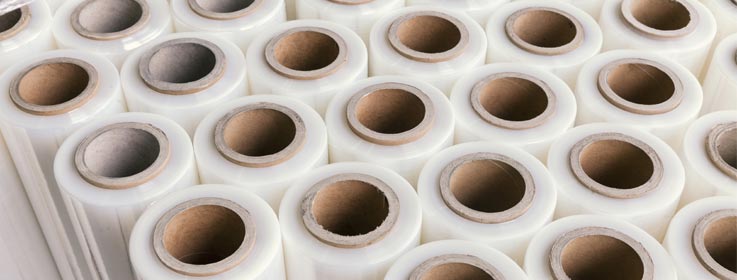
Films
Films or sheet materials encompass a wide range of chemical compositions, including plastics, rubber, and metals including newer, recyclable and bio-decomposable films. Roll film formats allow precision converters to leverage advanced rotary die cutting for high volume, continual production. Films can be used as labels or used for surface protection. Boyd also utilizes high performance optical designs to fabricate advanced display solutions. Boyd’s precision converting expertise paired with our material science heritage help you make the most of film materials with high production yield rates, optimized material utilization, and complex single pass rotary converting to ensure precise film layer alignment.
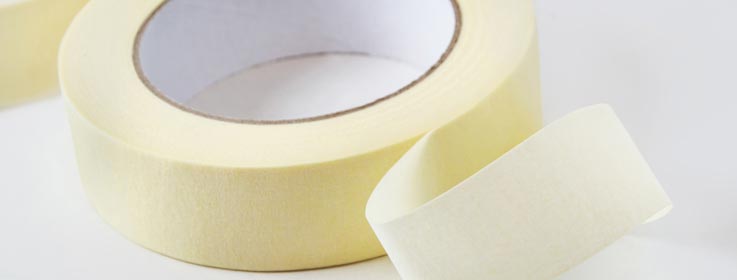
Adhesives
Adhesives are materials used to join surfaces together. These bonds can either be permanent or temporary. Common adhesives use an acrylic, silicone, rubber, urethane, or epoxy chemistry. New bio-based and bio-decomposable materials are available for more sustainable adhesive products. Boyd’s adhesive expertise is wide and deep, spanning 70+ years, enabling us to laminate materials together to create complex, multifunctional assemblies that offer the performance characteristics of a variety of materials. Adhesives can be integrated into foam materials or take the form of mechanical fasteners like hook and loop fabrics, which also join surfaces together.
Fabrics
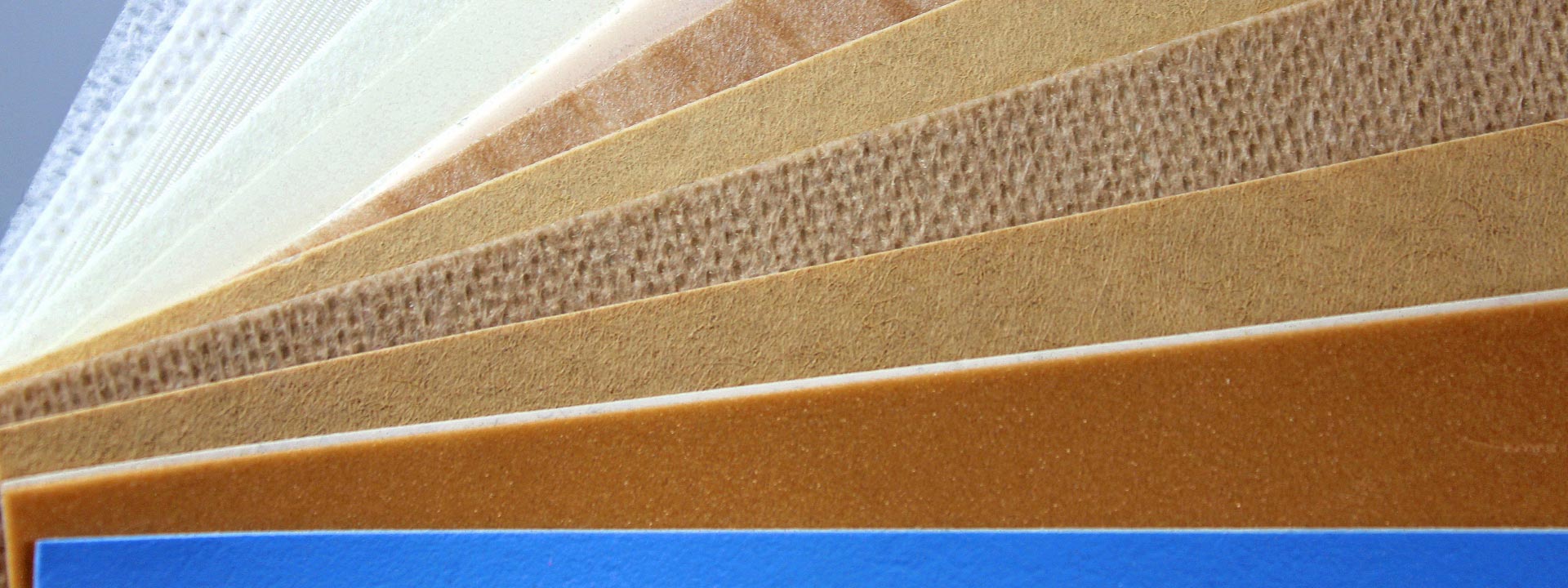
Woven fabrics are breathable, conformable sheets commonly used in medical applications like wound therapy. Nonwoven sheet materials are viable for insulation, absorption, and filtration applications. Pressed sheet felts are common for reducing friction and absorbing noise. Boyd’s expertise in combining fabrics with films and adhesives have made us a key partner in creating advanced wound care products in our clean room environments and construct comprehensive NVH and BSR reducing solutions for the most demanding applications.
Foams
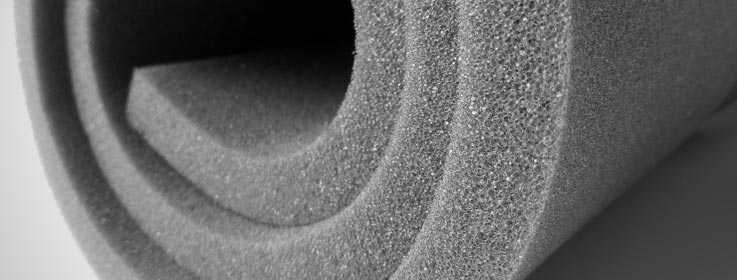
Foam and sponge rubber are resilient, lightweight materials and possible applications are insulation, shock and impact absorption, vibration damping, and sealing. Boyd’s foam expertise includes selection, application, and precision converting, as well as formulating our own SOLIMIDE® Foams.
Plastics
Rubber
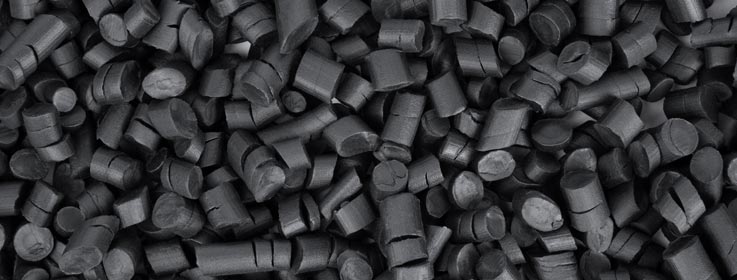
Rubber is a rugged elastic polymer derived from both natural and synthetic sources. Its versatility enables rubber products to serve as durable seals and environmental protection in demanding transportation applications or as stable, biocompatible medical products.
Composites
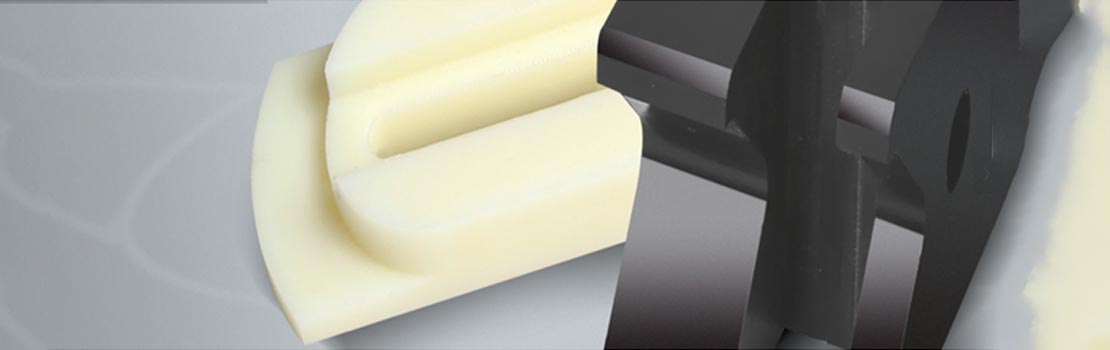
Composites consist of a blend of at least two non-mixable components: resin and a reinforcement structure. Boyd’s material science expertise paired with our manufacturing capabilities enable us to develop composites for demanding applications.
Graphite
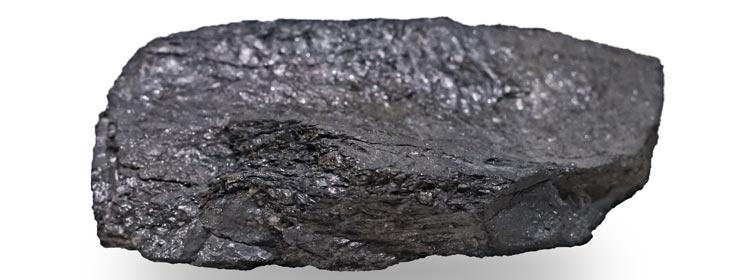
Graphite is a highly effective thermal material with its high planar thermal conductivity and low mass. It is capable of horizontally conducting high thermal loads quickly and efficiently. Graphite is naturally brittle and flakey, making processing, handling, and assembly difficult. Boyd leverages both natural and synthetic graphite in a wide range of solutions with proprietary fabrication and design expertise that enables us to efficiently manufacture graphite components optimized for clean and easy assembly. This helps customers leverage graphite low profile, low weight, high conductivity benefits while minimizing any inherent material difficulties.

Pigments and Inks

Metal Alloys
The strength and high thermal conductivity of metals are ideal characteristics in effective mechanical or thermal management solutions. Sheet metals serve as robust base for rugged, high-performance solutions in a breadth of industries and innumerable applications. Boyd’s metal alloy expertise focuses on high strength metals such as stainless steel or high conductivity materials like aluminum and copper.

Contact Us!
Don’t see the material you are looking for? Contact us, we can still help.
Have questions? We’re ready to help!