






Artificial Intelligence and Autonomous Compute
What is Autonomous Compute and Why Does it Matter?
Autonomous computing enables computer systems, software, or networks to operate independently and make decisions using pre-defined rules, algorithms, or artificial intelligence (AI), without the need for constant human intervention. AI-powered tools and technologies offer valuable insights and optimizations that autonomous compute applications leverage. AI technology and machine learning advancements drive accelerated adoption of autonomous computing solutions in sectors like transportation, healthcare, cloud data centers, and much more. Autonomous computing is transforming industries with increased efficiency, improved safety, and more convenient solutions for businesses and consumers.
What is Artificial Intelligence and Machine Learning and Why Does it Matter?
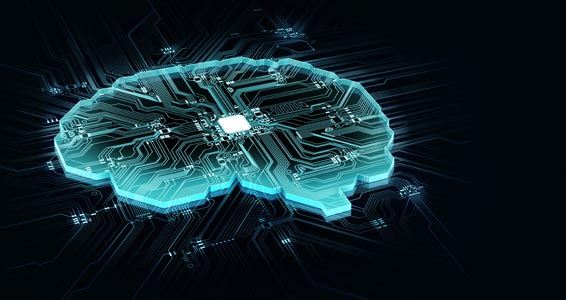
Artificial Intelligence encompasses the broader concept of creating intelligent systems to simulate human intelligence.
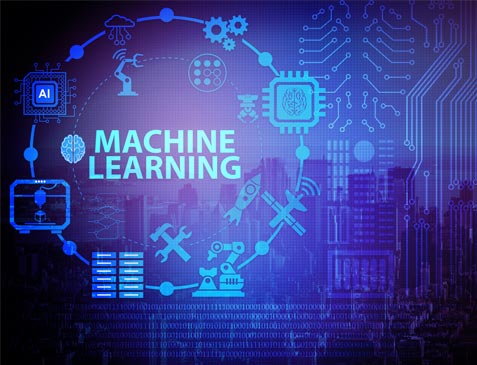
Machine Learning (ML) is a subset of AI that focuses on developing algorithms that enable computers to learn and improve their performance without explicitly being programmed for a specific task. Machine Learning is a powerful tool contributing to the advancement and realization of AI’s potential across applications and industries.
Why Boyd for Artificial Intelligence Solutions?


Boyd moves with our customers as their regional needs evolve in response to geopolitical changes, strategy shifts in region sourcing, near shoring or global manufacturing moves.



Examples of Autonomous Compute, AI, and Machine Learning (ML)
Organizations integrating AI like machine learning and natural language processing enhance their business operations, automate processes, and improve decision-making. Self-driving cars use AI in Advanced Driver Assist Systems (ADAS) to analyze data from sensors and to identify and track objects such as other vehicles, pedestrians, and obstacles. AI algorithms process and analyze medical images like X-rays, CT scans, and MRI scans, with impressive precision and speed helping doctors make accurate and timely diagnoses.
Autonomous Compute Resources
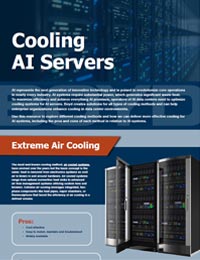
Blog: Why is Artificial Intelligence a Big Deal?


Autonomous Compute Sealing, Insulation, and Shielding
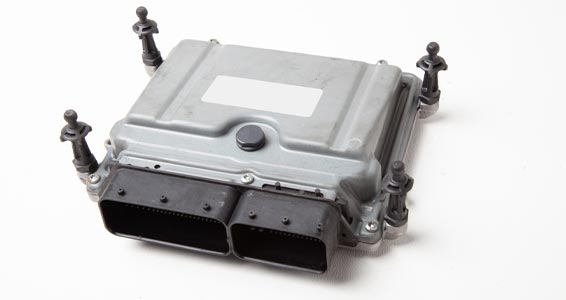
Our engineering and material science expertise allows us to design tailored solutions for specific applications. We seal, insulate, and shield high performance processors to make them more durable and reliable, to better optimize energy efficiency, and to protect them from harsh environments and temperature extremes. Leverage our material science heritage to design innovative AI-based solutions optimized for performance, reliability, and energy efficiency.
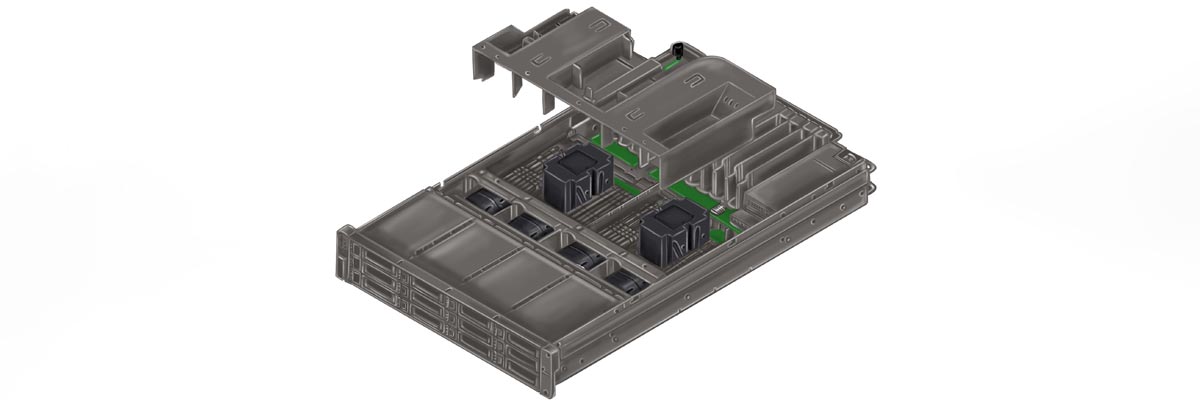
Manage Airflow
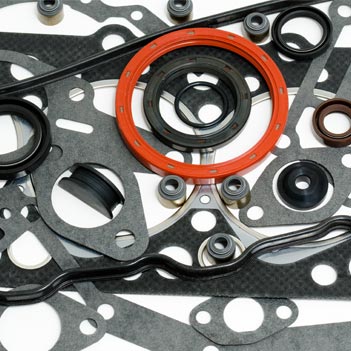
Seal, insulate, and shield demanding AI and machine learning data centers with solutions that increase performance efficiency, optimize resource utilization, maximize energy recovery, and increase reliability across all systems levels. Boyd leak-sealing foams and gaskets prevent air leakage and optimize airflow, enabling the cooling system to operate at peak performance.
Solutions for Noise Vibration Harshness and Shock
Noise and vibration come from many sources in an application, and they negatively impact reliability, networking, and connectivity system performance. Boyd’s expertise in acoustic and vibration damping enables us to design advanced NVH solutions and absorb shock for the most demanding, sensitive AI and compute end-device applications that heavily rely on quiet, stable, controlled performance.
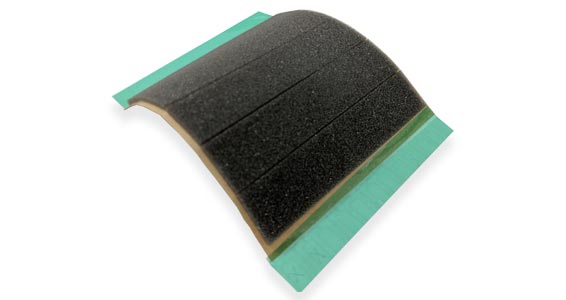

Exceed Performance Requirements with Electromagnetic Interference (EMI) Shielding
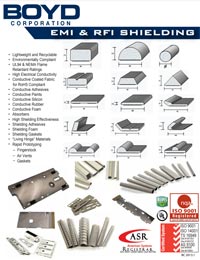
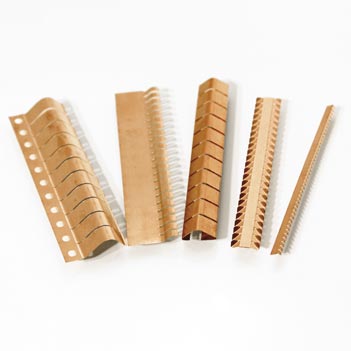
EMI shielding is crucial to prevent electromagnetic radiation from interfering with AI and autonomous compute system function. Balance electrical conductivity, dielectric permittivity, magnetic permittivity, and physical geometry to inhibit the transmission of EMI with advanced EMI shielding solutions. Enhance customer satisfaction and safety, improve electronic signal integrity, ensure regulatory approval, and reduce warranty claims with Boyd’s EMI and RFI shielding solutions.
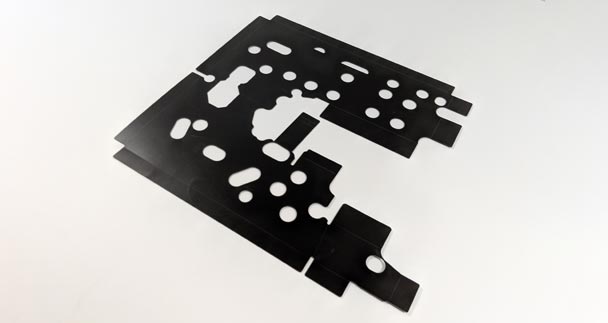
Electrical Insulation
Protect critical systems and maintenance technicians from electrical shock with high dielectric insulators. Blocking spark voltage with Boyd V-0 flame-rated dielectric insulators maintains the integrity of complex compute processes.
Enable Customized and Efficient User Interface with AI
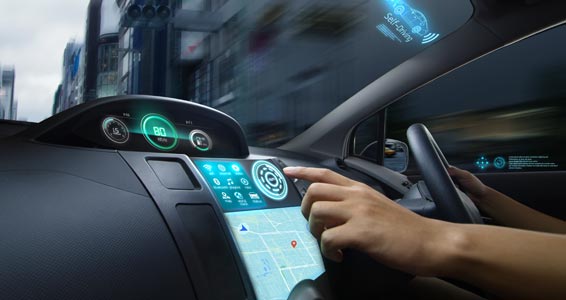
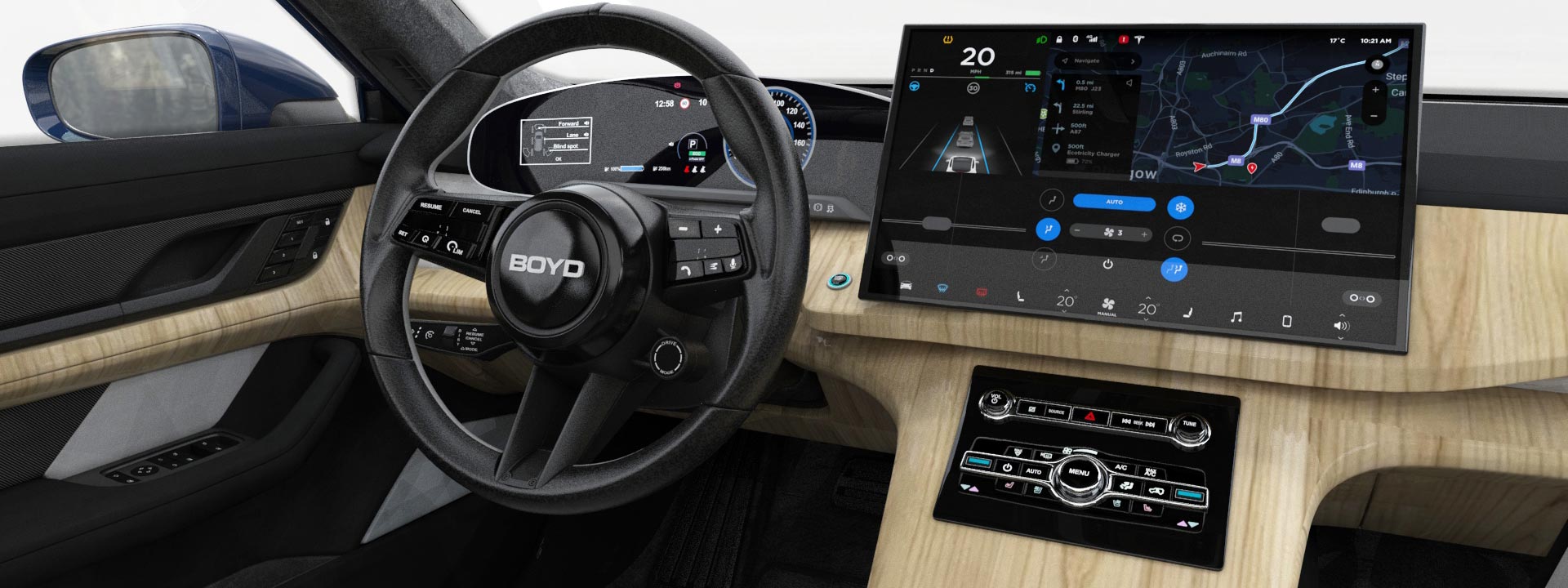
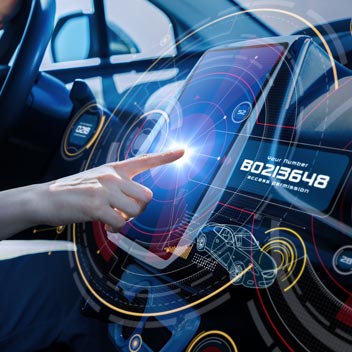
Artificial Intelligence enables more advanced Human Machine Interface (HMI) designs. AI has the potential to revolutionize user experiences, especially in vehicles. Growth in AI increases automotive interface integration like Human/Machine Interfaces and Telematics ensuring a safe, enjoyable, and efficient driving experience.
Boyd’s Advanced Display Solutions
Innovative technologies like heads-up displays, navigation and infotainment systems, and smart mirrors require advanced display solutions for consumers to benefit from these added features. Optimize display assemblies and convert raw materials into Integrated display gaskets and screen enhancement assemblies with Boyd. We simplify display solutions and reduce overall assembly time, material costs, and supply chain complexity.
Improve Efficiency, Accuracy, and Customization Capabilities of Labels for Artificial Intelligence Applications
Boyd develops countless UL, cUL, and CSA approved custom labels to meet our customer’s unique requirements from lightweight, rugged eMobility ADAS applications to high performance enterprise AI and ML installations. We combine branding, critical information, electrical insulation, and other functions into a single, high-quality, dependable solution. Multifunctional labels enhance brand management and consumer safety with reduced supply chain complexity and total lowest landed cost.

Human Machine Interface (HMI) Solutions for the eMobility
What Goes Into Making Advanced Display Solutions
What is ADAS (Advanced Driver Assist Systems)?
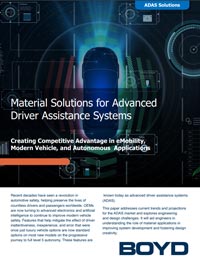
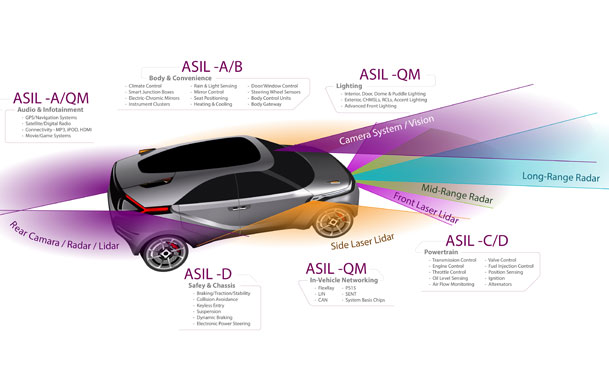
Advanced Driver Assist Systems, or ADAS, are active systems that help drivers operate vehicles more safely. Each of these advanced systems collect data using a wide array of sensors positioned around the vehicle, process this information with on-board electronics, and communicate with other systems with telematics. ADAS enables a wide range of functionality from more intuitive vehicle operation to fully autonomous vehicles with level 5 automation. These systems are designed to mitigate driver error and help save lives.
Boyd for your ADAS Solutions
Boyd’s heritage and expertise includes sealing, insulation, and protecting critical systems like ADAS. Our engineered material solutions can help seal sensors and electronics from environmental hazards and mitigate shock and vibration impact to the longevity and reliability of these systems. Part of our world-renowned expertise is in handling the most challenging materials, including optically clear adhesives. From advanced bonding solutions to custom elastomeric gaskets and foam solutions, Boyd can help you protect and extend the lifetime and reliability of the ADAS system you’ve painstakingly designed.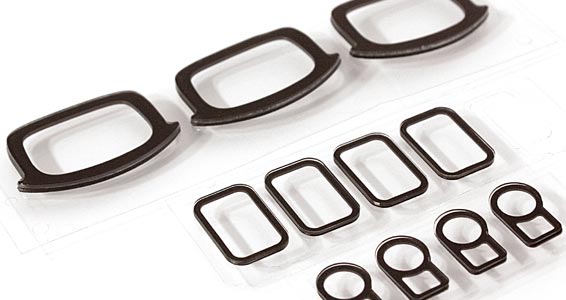
Global Network & Local Support
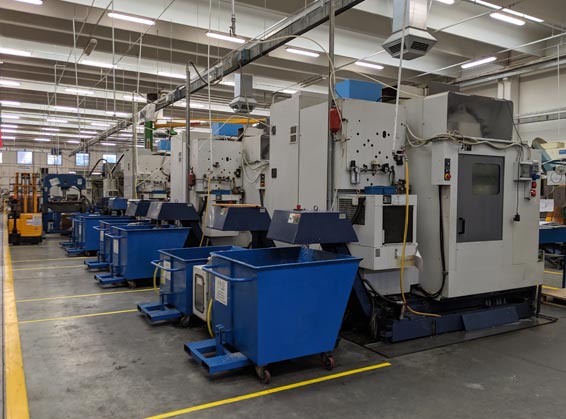
Boyd’s 40+ ISO 9001 and nine IATF 16949 certified manufacturing operations across three continents meet high standards and exceed customer expectations by aligning with the most demanding quality management systems (QMS processes). We emphasize process optimization, organizational efficiency, and effective management and assembly processes to streamline operations, reduce costs, and maximize productivity.
Solve Sustainability Regulations of the Future
Boyd’s global presence and in-region ISO 14001 certifications enable environmental practices tailored to regional regulations and standards, ensuring compliance and sustainable operations. Our longstanding partnerships with AI compute and eMobility industries allow us to stay at the forefront of technological advancements and anticipate evolving consumer needs solving sustainability regulations for the future.

Benefits of AC/ADAS, AI, & ML
Reduce energy consumption and improve fuel efficiency in EVs by optimizing battery usage, routes, predictive energy management, and much more using ADAS.
Enhance safety by alerting drivers to potential hazards and, in some cases, taking corrective actions on their behalf.
Prevent breakdowns and costly repairs by monitoring vehicle health and alerting drivers to potential maintenance needs with ADAS.
Automate repetitive and labor-intensive tasks, improving efficiency and productivity using AI and ML.
Process vast amounts of data quickly extracting valuable insights, patterns, and trends to make data-driven decisions that enhance business strategies and operations.
Personalize recommendations, services, and experiences, leading to higher customer satisfaction and engagement using AI-powered algorithms.
Anticipate trends, customer behavior, and market changes by predictive analysis based on historical data using AI.

Boyd for AI and Autonomous Computing
Quiet solutions reduce environmental noise pollution for safer compute operations
60+ years of field-proven performance and over 1 billion units shipped in transportation, aerospace, and defense applications for trusted reliability in markets where safety is a key concern
ADAS FAQs
What is ADAS and how does it work?
Advanced Driver Assistance Systems (ADAS) uses sensors, cameras, LiDAR, and radar to monitor surroundings and assist with tasks like braking, steering, and lane keeping. It processes real-time data to detect hazards and helps prevent accidents.How many types of ADAS are there?
There are several types of ADAS, including adaptive cruise control, lane departure warning, automatic emergency braking, blind spot detection, and parking assistance. Each system supports different aspects of driving safety and convenience.What sensors are used in ADAS?
ADAS uses radar, cameras, ultrasonic sensors, and LiDAR to monitor the vehicle’s surroundings and assist with tasks like object detection, distance measurement, and lane tracking.What hardware is used in ADAS?
ADAS relies on sensors, cameras, radar, LiDAR, and central processing units (CPUs) and graphics processing units (GPUs) to gather and process data for real-time decision-making and safer driving.
What processor is used in ADAS?
ADAS uses high-performance processors, often in the form of system-on-chip (SoC) solutions, central processing units (CPUs), and graphics processing units (GPUs), to manage data from sensors and make real-time decisions for object detection, path planning, and vehicle control.Who manufactures ADAS?
Major automotive manufacturers, technology firms, and specialized suppliers manufacture ADAS, designing and producing the hardware and software needed to integrate advanced driver assistance systems into vehicles.
What are the key components of ADAS?
Key components of ADAS include sensors (such as radar, cameras, and LiDAR), control units, software algorithms, and communication systems. These elements work together to detect the environment, process data, and execute driving tasks that enhance safety and convenience.Related Products & Resources

Have questions? We’re ready to help!