






EV/HEV Charging and Batteries: Powering eMobility Solutions
EV Charging Solutions: Seal and Protect in an Electric Vehicle
The success of any electric or hybrid/electric vehicle (EV/HEV) relies on how well it stores energy and how quickly it recharges. Once the effective vehicle range of a single charge compares with a quick fill up at the gas pump, consumers are more likely to make the transition to an electric vehicle. OEMs are at the forefront of pioneering innovations in EV charging solutions, aiming to enhance battery capacity, efficiency, and lifespan, while also minimizing charging times making EVs and HEVs more attractive to consumers. Any industry-changing innovation is not without its challenges; vehicles are limited on space, weight, and power, and must meet demanding cost and reliability requirements (SWAP-CR). Vehicles are subject to harsh environmental constraints, which can pose difficult environmental sealing and protection requirements for large electronic systems and batteries.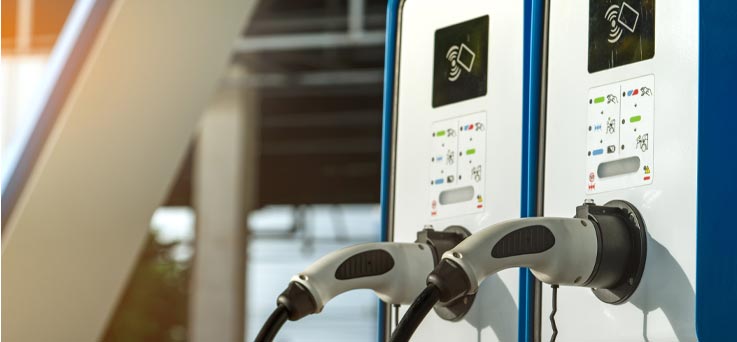
Top Three Causes of Thermal Runaway and How to Prevent Them
(View transcript)
How to Cool and Protect EV Batteries Against Collision and Thermal Runaway
(View transcript)

Long-standing Expertise
Leverage Boyd’s expertise in EV charging solutions with extensive experience in Engineered Materials Solutions. Boyd is an ideal partner in developing and manufacturing products that help seal and protect an electric vehicle. Our precision converting capabilities enable us to develop robust, cost-effective and reliable seals to protect power converters & inverters, electronic control units (ECUs), charging stations, and battery compartments from particle and fluid ingress or contamination and water damage. Boyd maintains IATF 16949 certified manufacturing operations across three continents to assure our eMobility components exceed the rigorous demands for automotive quality management systems with adept regional support. Boyd’s customer focus and relationship management culture are aligned with IATF 16949 processes and quality systems. By optimizing processes, organization, and efficiency, we reduce costs, increase yield rates with effective management and assembly processes while providing our customers high quality products.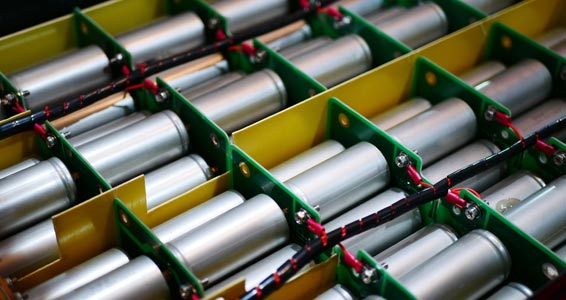
Batteries and Battery Packs
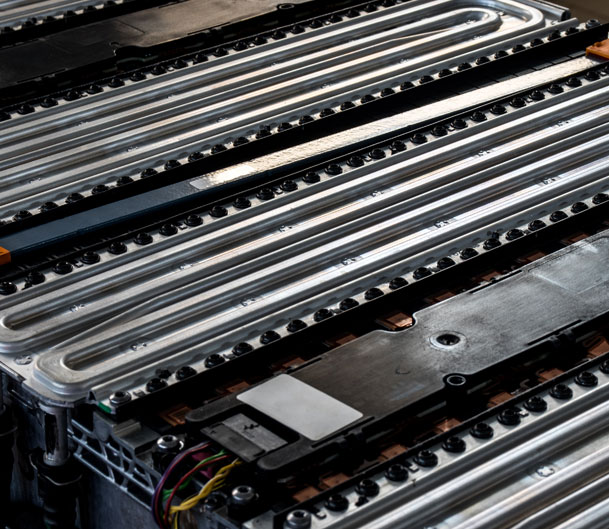
Maximize electric vehicle efficiency with Boyd’s comprehensive EV charging solutions. The effectiveness of an electric vehicle hinges on its battery, a key factor determining the effective range the vehicle has on a single charge. Batteries store DC power in between charges for the rest of the vehicle’s electronic systems to consume during operation. An EV’s battery pack is typically constructed from a series of battery cells consisting of lithium-ion (Li-ion or Li-ion cells), either in the form of small cylinders or flat rectangular pouches. Alternative technologies like fuel cells are also options in power storage for electric and hybrid vehicles. The battery powers the entire vehicle and has a significant weight and space allocation, which OEMs strive to optimize and improve with each design iteration. Smaller and lighter weight batteries enable designers to incorporate higher powered or more densely packed battery cells for greater range. Partnering with Boyd’s design and engineering team enables you to develop optimized solutions that protect your battery from environmental conditions and improve power storage performance and efficiency. We create integrated solutions using highly engineered materials like SOLIMIDE ® Foams, Heat Shields, and battery gaskets to make your battery enclosures safe and reliable. Boyd’s integrated solutions enable you to better protect passengers and improve the overall safety of your electric vehicle.Charging Stations & Electric Vehicle Service Equipment
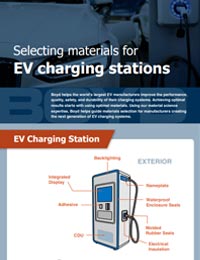
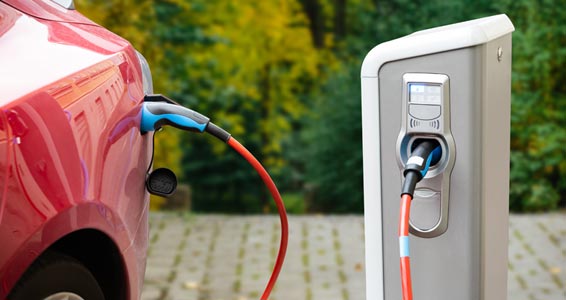
Charging stations and Electric Vehicle Service Equipment (EVSEs) play a crucial role in transforming EV charging solutions by facilitating power transfer from the grid to an electric vehicle. They constitute the backbone of the charging infrastructure, driving the evolution and accessibility of electric vehicle charging technologies.
Chargers come in different levels that reflect the amount of power consumption and recharge speed:
Level 1: Typical household chargers that charge a battery overnight
Level 2: Some household chargers that take a few hours to reach full battery charge
Level 3: Superchargers
Higher level chargers require more power for shorter charge times, with a major milestone of providing 100 km driving range in just 10-12 minutes. The eMobility industry is shifting to fast charging, which requires higher voltage, to compete with traditional internal combustion engines (ICEs) refueling time cycles.
On Board Charger
The On Board Charger (OBC) of an electric or hybrid vehicle converts AC power from the grid provided by the charging station into DC power that charges the battery. Batteries store energy as DC, so the more power that an OBC unit can handle and convert efficiently, the faster the battery can safely charge. The On Board Charger utilizes a series of semiconductor devices to convert AC current into DC. These semiconductor devices switch rapidly and produce large amounts of waste heat in the process. On Board Chargers might include a step down converter, buck converter or 3-phase Input Power Factor Correction (PFC) components in addition to the main inverter to decrease high DC voltages to lower battery voltages for safer storage.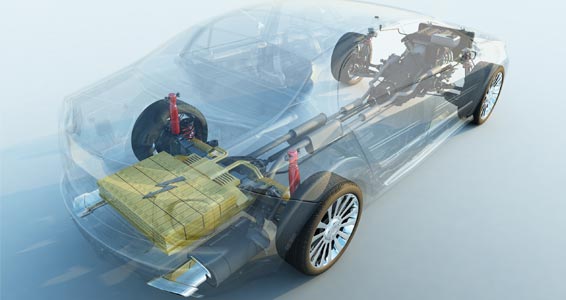
Boyd On Board EV Charging Solutions
Boyd’s EV charging solutions expertise covers all aspects of the sealing, protection, and shielding requirements needed for an on-board charger, and typically in an efficient integrated solution. Our high-performance gaskets and seals used within enclosures make us an ideal partner in developing effective EV charging solutions that meet your performance requirements. We integrate many functions into a single assembly, reducing your overall costs by simplifying your supply chain, minimizing assembly time, and fabricating reliable solutions that reduce maintenance and warranty costs.Have questions? We’re ready to help!